

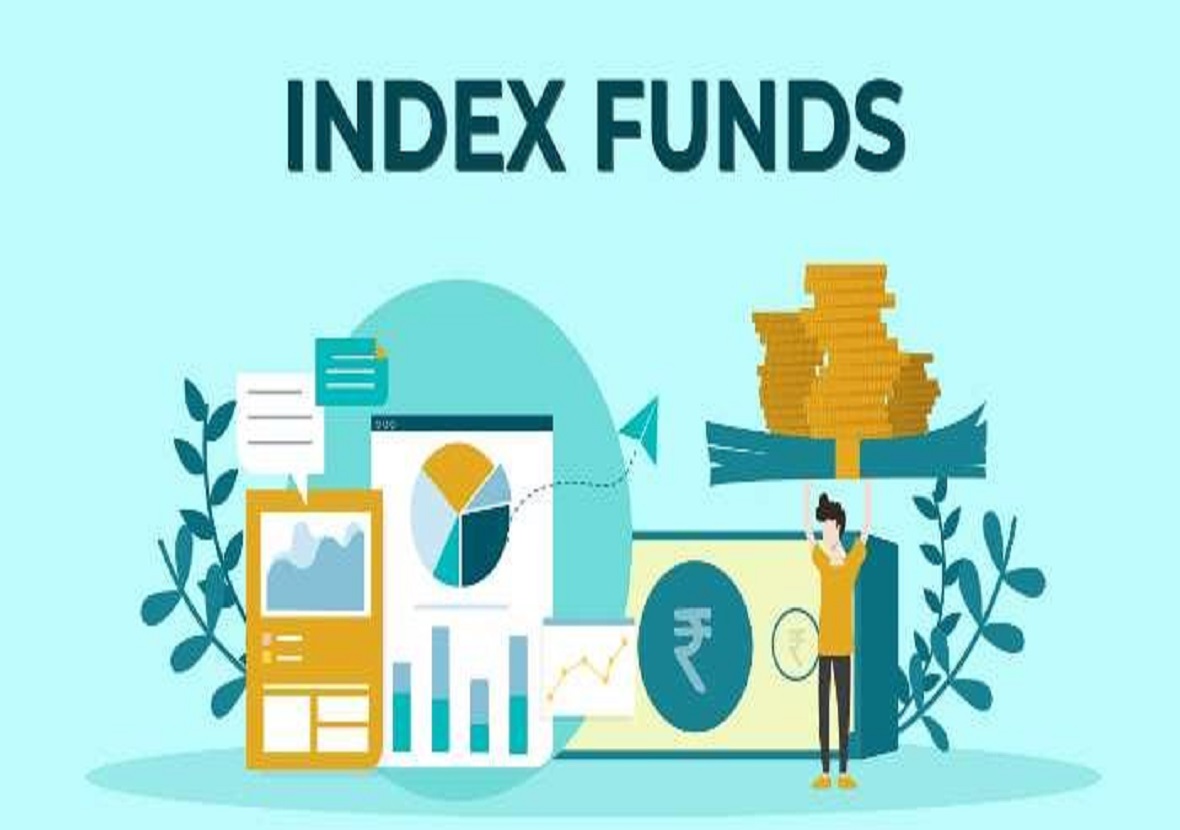
Beginners Guide To Investing In Index Funds With Confidence
Investing can seem daunting for beginners, but index funds offer a straightforward way to build wealth over time. Index funds are investment vehicles that track a specific market index, such as the S&P 500, providing broad diversification and lower costs compared to actively managed funds. They have become one of the most recommended investment options for people who are just starting their financial journey.
This guide covers the basics of how index funds work, their benefits, potential risks, and the practical steps to start investing confidently. Whether you are planning for retirement, saving for a major purchase, or simply looking to grow your savings, understanding index funds is an essential part of building a solid financial foundation.
What Are Index Funds?
Index funds are a type of mutual fund or exchange-traded fund (ETF) designed to replicate the performance of a specific market index. Instead of relying on fund managers to pick individual stocks, index funds aim to mirror the composition and performance of an entire index, like the Dow Jones Industrial Average, the NASDAQ-100, or the S&P 500. This approach means that when the index goes up, your investment grows proportionally, and when it declines, your investment follows suit.
This passive investment strategy significantly reduces costs and aims to match market returns rather than beat them. Index funds are managed by tracking the index composition, automatically adjusting holdings as companies are added to or removed from the index. Over the long term, this simple strategy has historically outperformed the majority of actively managed funds after fees are taken into account.
Benefits of Investing in Index Funds
One of the primary advantages of index funds is diversification. By investing in an index fund, you are essentially buying a small piece of hundreds or thousands of companies, which spreads out your risk across different sectors and industries. They also tend to have significantly lower expense ratios compared to actively managed funds, since they do not require expensive research teams or portfolio managers to make frequent trading decisions.
Index funds are also highly accessible, with low minimum investment requirements that make them ideal for beginner investors. Their simplicity and tax efficiency, due to lower portfolio turnover, further enhance their appeal for long-term wealth building. Many financial advisors recommend index funds as the core holding in any investment portfolio because of their proven track record and ease of management.
- Low Fees: Expense ratios typically range from 0.03% to 0.20%, far below the 1% or more charged by many active funds
- Broad Diversification: A single fund can provide exposure to hundreds of companies across multiple industries
- Consistent Performance: Index funds reliably track their benchmark, eliminating the guesswork of stock picking
- Tax Efficiency: Lower turnover means fewer taxable events for investors
- Simplicity: No need to research individual stocks or time the market
Potential Risks and Considerations
While index funds are generally considered lower-risk investments, they are not without drawbacks. Market volatility can affect index funds, and they may experience significant downturns during economic recessions. Additionally, while diversification helps mitigate company-specific risks, it does not eliminate market-wide risks. If the entire market declines, your index fund will decline as well, regardless of how well individual companies within it are performing.
Another consideration is the lack of active management, which means index funds will not protect against major market corrections. Investors should also be aware of tracking errors, where the fund performance slightly deviates from the index due to fees and operational costs. It is important to remember that past performance does not guarantee future results, and all investments carry some degree of risk.
- Market Risk: The fund will decline if the overall market drops
- No Downside Protection: Passive management means no defensive moves during downturns
- Tracking Error: Small performance deviations from the benchmark can occur
- Limited Customization: You cannot exclude specific companies or sectors from the fund
How to Start Investing in Index Funds
Getting started with index fund investing is straightforward, but it helps to follow a structured approach. The first step is to assess your financial goals, including your investment timeline and risk tolerance. Index funds are typically best suited for long-term investors who can ride out short-term market fluctuations. Consider factors such as your age, income stability, and when you expect to need the money you are investing.
Once you have a clear picture of your goals, the next step is to choose a brokerage account and begin building your portfolio. Look for brokerages that offer low or no commission fees, a wide selection of index funds, and helpful educational resources for beginners. Many popular brokerages now offer zero-commission trades on ETFs, making it more affordable than ever to start investing.
- Assess Your Financial Goals: Determine your investment timeline and risk tolerance. Index funds are typically best for long-term investors with a horizon of five years or more.
- Choose a Brokerage Account: Open an account with a reputable online brokerage that offers low fees and a wide selection of index funds from various providers.
- Select an Index Fund: Research different index funds based on your goals. Popular options include those tracking the S&P 500, total market indices, or international markets.
- Start Small: Begin with an amount you can afford to invest regularly. Dollar-cost averaging, where you invest a fixed amount at regular intervals, is an excellent strategy for beginners.
- Monitor and Adjust: Regularly review your portfolio and rebalance as needed, but avoid frequent trading that can trigger unnecessary fees and taxes.
Building Confidence in Your Investment Journey
Investing in index funds requires patience and ongoing education. Start by learning about basic financial concepts such as compound interest, asset allocation, and market cycles. Set realistic expectations for returns, and consider consulting with a qualified financial advisor if you are unsure about any aspect of your investment strategy. Remember that investing is a long-term commitment, and staying informed about market trends and economic indicators can help you make confident decisions over time.
Building confidence also involves understanding your personal risk tolerance and avoiding emotional decision-making during market fluctuations. Keep a long-term perspective, regularly review your progress toward your goals, and adjust your strategy as your financial situation evolves. Many successful investors attribute their results not to timing the market, but to consistent contributions and the discipline to stay invested through both ups and downs.
By following this guide, beginners can approach index fund investing with greater confidence, understanding both the opportunities and challenges involved. The most important step is simply getting started, because time in the market is one of the most powerful factors in building long-term wealth.
Disclaimer: This article is for informational purposes only and does not constitute financial advice. Please consult a licensed financial advisor before making investment decisions.









Comments 0
Login Required
Please sign in to view and post comments.