

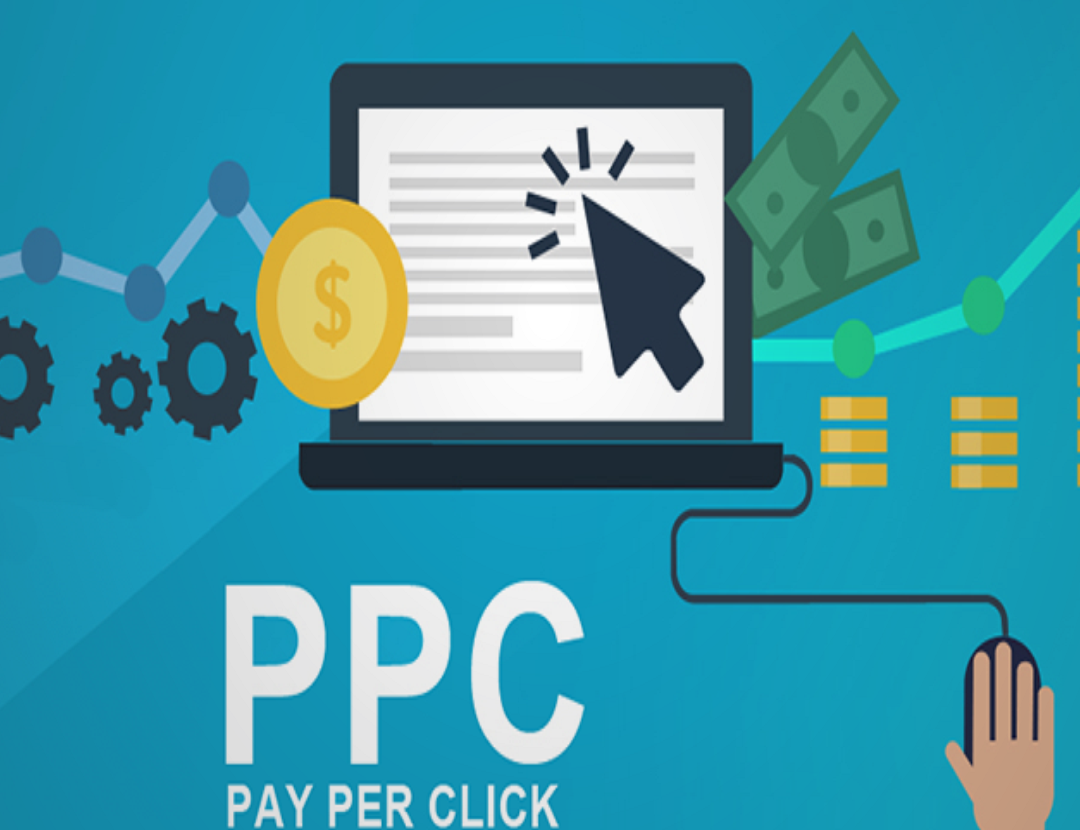
A Practical Guide to Growing with PPC Marketing Strategies
Pay-per-click (PPC) marketing remains one of the most effective digital advertising strategies for driving targeted traffic and achieving measurable business growth. With proper implementation and optimization, PPC campaigns can deliver consistent leads, sales, and ROI across various industries and business models.
This comprehensive guide explores proven PPC marketing strategies that businesses can implement to accelerate growth. From foundational keyword research to advanced optimization techniques, these tactics provide a roadmap for maximizing advertising effectiveness and achieving sustainable marketing success.
Understanding PPC Fundamentals
Before diving into advanced strategies, it's essential to understand the core principles of PPC advertising and how different platforms operate. This foundation ensures that all optimization efforts are built on solid strategic principles rather than trial-and-error approaches.
PPC campaigns require careful planning, continuous monitoring, and data-driven decision-making to achieve optimal results. Understanding the mechanics of bidding, targeting, and performance measurement is crucial for long-term success.
Platform Selection
Choosing the right PPC platforms depends on your target audience, industry, and campaign objectives. Each platform offers unique advantages and requires different optimization approaches to maximize effectiveness.
Google Ads remains the most comprehensive platform for search-based advertising, while platforms like Microsoft Advertising and Amazon PPC serve specific niches. Social media platforms like Facebook Ads and LinkedIn Ads excel at prospecting and retargeting.
Budget Allocation
Effective budget allocation requires understanding cost structures, competition levels, and conversion rates across different campaigns. Strategic budget distribution ensures maximum reach and impact without overspending on underperforming areas.
Start with conservative budgets for testing and scale successful campaigns while cutting underperformers. Regular budget reviews and reallocations based on performance data are essential for maintaining campaign efficiency.
Keyword Research and Selection
Comprehensive keyword research forms the foundation of successful PPC campaigns. Understanding user intent, search volume, and competition levels allows for strategic keyword selection that drives qualified traffic and conversions.
Intent-Based Keyword Mapping
Mapping keywords to user intent categories (informational, navigational, transactional, commercial) ensures that ad copy and landing pages align with searcher expectations. This alignment improves quality scores and conversion rates.
Long-tail keywords often have lower competition and higher conversion rates, making them valuable additions to broad keyword strategies. Understanding the buyer's journey helps identify keywords for each stage of the conversion funnel.
Negative Keyword Optimization
Strategic use of negative keywords prevents wasted ad spend on irrelevant searches and improves campaign efficiency. Regular analysis of search query reports reveals new negative keyword opportunities.
Negative keywords should be reviewed monthly and updated based on performance data. This proactive approach prevents budget drain and ensures ads appear for genuinely interested prospects.
Ad Creative Optimization
Compelling ad creative is essential for driving clicks and conversions in competitive PPC environments. Well-crafted headlines, descriptions, and calls-to-action can significantly impact campaign performance and ROI.
- Headline Testing: Test multiple headline variations to identify high-performing messaging that resonates with target audiences
- Value Proposition: Clearly communicate unique selling points and benefits in ad descriptions
- Call-to-Action: Use action-oriented language that encourages immediate engagement and response
- Ad Extensions: Utilize sitelink, callout, and structured snippet extensions to provide additional information and improve ad visibility
- Dynamic Keyword Insertion: Automatically insert user search terms into ad copy for personalized messaging
- A/B Testing: Continuously test ad variations to optimize performance and identify winning combinations
Regular creative testing and optimization ensure that ads remain fresh, relevant, and effective in driving desired actions.
Landing Page Optimization
High-quality landing pages are crucial for converting PPC clicks into customers. Poor landing page experiences result in wasted ad spend and missed revenue opportunities.
Page Speed and Mobile Optimization
Fast loading times and mobile-friendly designs are essential for maintaining user engagement and improving conversion rates. Slow pages increase bounce rates and negatively impact quality scores.
Optimize images, minimize code, and leverage browser caching to improve page speed. Regular testing across devices ensures consistent user experiences.
Conversion Rate Optimization
Strategic placement of forms, clear value propositions, and trust signals improves landing page conversion rates. A/B testing different layouts and elements identifies the most effective page designs.
Trust indicators like testimonials, security badges, and guarantees reduce friction and encourage conversions. Clear, benefit-focused messaging addresses user concerns and motivates action.
Advanced Targeting Strategies
Sophisticated targeting options allow for precise audience segmentation and more efficient ad delivery. Understanding and leveraging these targeting capabilities maximizes campaign effectiveness.
Audience Segmentation
Divide target audiences into specific segments based on demographics, interests, behaviors, and lifecycle stages. This segmentation enables personalized messaging and improved campaign performance.
Custom audiences from website visitors, email lists, and customer data provide highly targeted retargeting opportunities. Lookalike audiences expand reach to similar prospects.
Geographic and Device Targeting
Geographic targeting ensures ads appear in relevant locations, while device targeting optimizes for different user experiences. Bid adjustments based on location and device performance improve overall campaign efficiency.
Dayparting and location-based adjustments allow for strategic ad delivery during optimal times and in high-value geographic areas.
Performance Monitoring and Analytics
Comprehensive performance monitoring enables data-driven optimization and continuous campaign improvement. Regular analysis of key metrics ensures campaigns remain aligned with business objectives.
- Conversion Tracking: Implement proper conversion tracking to measure campaign effectiveness and ROI
- A/B Testing Framework: Establish systematic testing processes for ongoing optimization
- Attribution Modeling: Understand the customer journey and credit allocation across touchpoints
- Cost Analysis: Monitor cost per acquisition, lifetime value, and profitability metrics
- Competitive Analysis: Track competitor strategies and market positioning
- Trend Analysis: Identify seasonal patterns and market trends for strategic planning
Automated reporting and alerting systems ensure timely responses to performance changes and optimization opportunities.
Scaling Successful Campaigns
Once campaigns prove successful, strategic scaling maximizes growth potential while maintaining efficiency. Careful expansion prevents quality degradation and budget waste.
Budget Scaling Strategies
Gradual budget increases for high-performing campaigns allow for controlled expansion and risk management. Monitor performance metrics closely during scaling to ensure continued profitability.
Automated bidding strategies and budget optimization tools help maintain efficiency as campaign scale increases.
Campaign Expansion Tactics
Expand successful campaigns by adding new keywords, ad groups, and targeting options. Test new markets and audience segments to identify additional growth opportunities.
Cross-platform expansion leverages successful strategies across different advertising platforms for broader reach and diversified traffic sources.
Seasonal and Promotional Campaigns
Seasonal campaigns and promotions require strategic timing and creative approaches to maximize impact during peak periods. Understanding market cycles and consumer behavior patterns is essential for success.
Event-Based Advertising
Capitalize on holidays, industry events, and seasonal trends with targeted campaigns that align with consumer interests and purchasing patterns. Early planning ensures optimal positioning and budget allocation.
Dynamic creative and messaging adjustments based on current events and trends keep campaigns relevant and engaging.
Promotional Campaign Management
Time-limited promotions require careful budget management and performance monitoring to ensure profitability. Clear objectives and success metrics guide promotional campaign strategies.
Post-promotion analysis identifies successful tactics and informs future promotional strategies.
Compliance and Best Practices
Maintaining compliance with platform policies and advertising regulations ensures campaign longevity and protects brand reputation. Following best practices minimizes risks and maximizes campaign effectiveness.
- Ad Policy Compliance: Ensure all ads meet platform guidelines and avoid prohibited content
- Data Privacy: Respect user privacy and comply with data protection regulations
- Transparent Disclosure: Clearly identify sponsored content and affiliate relationships
- Quality Standards: Maintain high-quality scores through relevant keywords and landing pages
- Ethical Targeting: Avoid discriminatory targeting practices and respect user preferences
- Performance Transparency: Provide accurate performance data and avoid misleading claims
Regular compliance audits and policy reviews ensure ongoing adherence to platform requirements and industry standards.
Disclaimer: PPC marketing results vary based on industry, competition, and market conditions. Success requires ongoing optimization and adaptation to platform changes.









Comments 0
Login Required
Please sign in to view and post comments.