




Building an Emergency Fund for Financial Stability and Peace of Mind
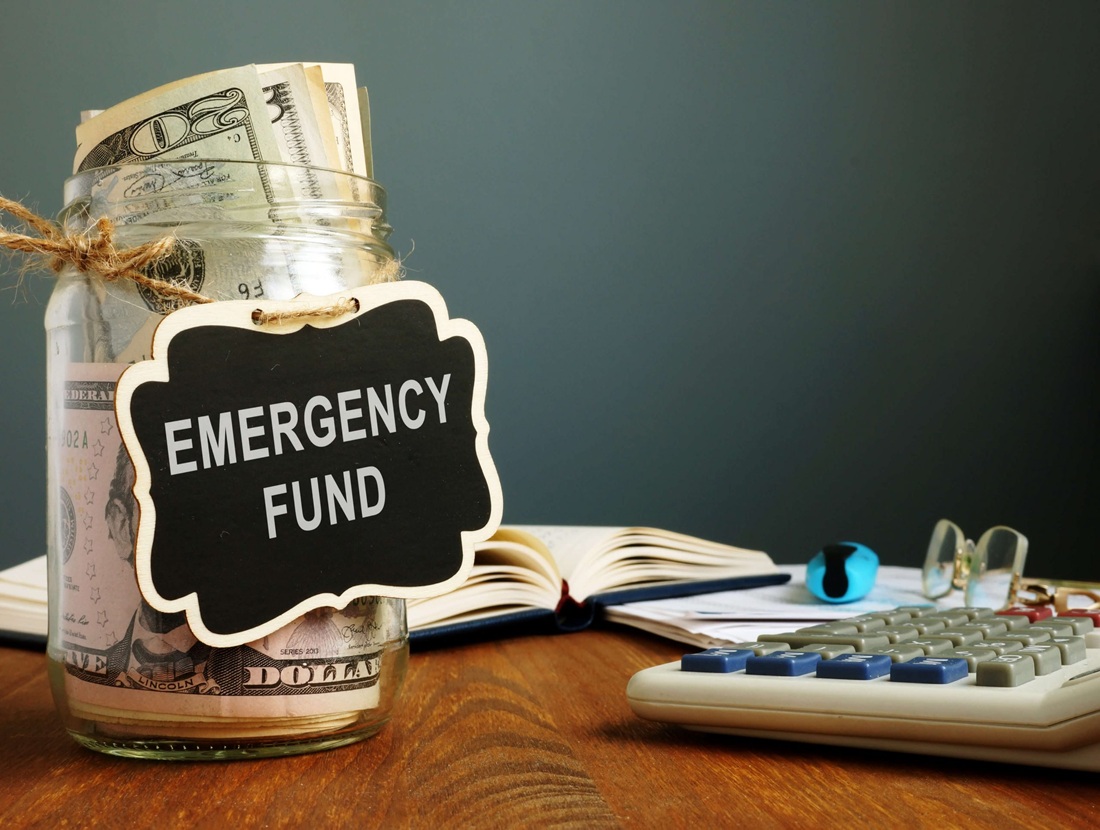
An emergency fund is a crucial financial safety net that provides protection against unexpected expenses and economic uncertainties. Building and maintaining this fund offers peace of mind, financial stability, and the freedom to make decisions without the stress of immediate financial pressure. Whether facing job loss, medical emergencies, or unexpected home repairs, an emergency fund can be the difference between weathering a storm and facing financial disaster.
This comprehensive guide explores the importance of emergency funds, strategies for building them, and best practices for maintenance. We'll examine how to determine the right size for your fund, where to keep it, and how to balance saving with other financial goals.
Understanding Emergency Funds
An emergency fund is a crucial financial safety net that provides protection against unexpected expenses and economic uncertainties. Building and maintaining this fund offers peace of mind, financial stability, and the freedom to make decisions without the stress of immediate financial pressure. Whether facing job loss, medical emergencies, or unexpected home repairs, an emergency fund can be the difference between weathering a storm and facing financial disaster.
Beyond immediate financial protection, an emergency fund provides psychological benefits, reducing stress and anxiety during difficult times. It gives you the confidence to make rational decisions rather than being forced into suboptimal choices due to financial desperation. In business contexts, emergency funds for individuals and families support career decisions and entrepreneurial pursuits without constant worry about financial stability.
Types of Emergency Funds
Emergency funds can be structured in different ways depending on individual circumstances and financial goals. Understanding the various approaches helps determine the most suitable strategy for your situation. The right emergency fund structure depends on factors such as income stability, family size, and risk tolerance.
- Basic Emergency Fund: 3-6 months of essential living expenses for stable employment situations
- Enhanced Emergency Fund: 6-12 months for variable income or single-income households
- Comprehensive Emergency Fund: 12-24 months for high-risk occupations or complex financial situations
- Business Emergency Fund: Additional reserves for business owners and entrepreneurs
- Family Emergency Fund: Increased amounts for households with dependents or special needs
Choosing the right type of emergency fund depends on your specific financial situation, lifestyle, and risk factors. It is advisable to consult with financial advisors who can help determine the appropriate fund size and structure for your circumstances.
Benefits of Emergency Funds
Emergency funds provide several advantages beyond basic financial protection. They enable better decision-making during crises, prevent reliance on high-interest debt, and support long-term financial planning. The psychological benefits of financial security can improve overall quality of life and reduce stress-related health issues.
Beyond the direct financial benefits, emergency funds can provide a significant competitive edge in career and business decisions. They allow individuals to pursue entrepreneurial opportunities, change jobs without financial pressure, and maintain stability during economic downturns. Many successful people credit their emergency funds as a key factor in their financial independence.
- Financial Security: Protection against unexpected expenses and income disruptions
- Reduced Stress: Peace of mind during uncertain times
- Avoid High-Interest Debt: No need to rely on credit cards or payday loans
- Better Decision Making: Freedom to make choices based on opportunity rather than necessity
- Improved Credit: Avoiding debt accumulation preserves credit scores
Building and Managing Emergency Funds
Building an emergency fund requires consistent effort and smart financial habits. Start by assessing your monthly expenses and determining a realistic savings target. Automate contributions to make saving effortless and treat emergency fund deposits as non-negotiable expenses.
Once established, your emergency fund needs ongoing management and maintenance. Regularly review your fund size as circumstances change, replenish after withdrawals, and consider investment options that maintain liquidity while earning some return. The key is balance between accessibility and growth potential.
- Calculate Your Target: Determine fund size based on expenses and risk factors
- Create a Budget: Identify savings opportunities in your spending plan
- Automate Contributions: Set up automatic transfers to dedicated savings accounts
- Start Small: Begin with achievable amounts and increase over time
- Monitor Progress: Track growth and adjust contributions as needed
Risks and Considerations
While emergency funds are essential, they also require careful management to avoid common pitfalls. Keeping funds in inappropriate investment vehicles can reduce liquidity or expose savings to market risk. Overly aggressive savings goals may lead to burnout or neglect of other financial priorities.
Another consideration is opportunity cost - funds in low-return savings accounts could potentially grow faster in higher-yield investments. However, the primary purpose of emergency funds is preservation of capital and immediate accessibility, making conservative storage options most appropriate.
An emergency fund is not just about money—it's about security, freedom, and the ability to navigate life's uncertainties with confidence. By prioritizing this essential financial tool, you create a foundation for long-term stability and peace of mind. Start building your emergency fund today, and experience the transformative power of financial preparedness.
Disclaimer: This article is for informational purposes only and does not constitute financial advice. Please consult a qualified financial advisor for personalized guidance.










Comments 0
Login Required
Please sign in to view and post comments.