

How Peer-To-Peer Banking Is Gaining Traction Globally
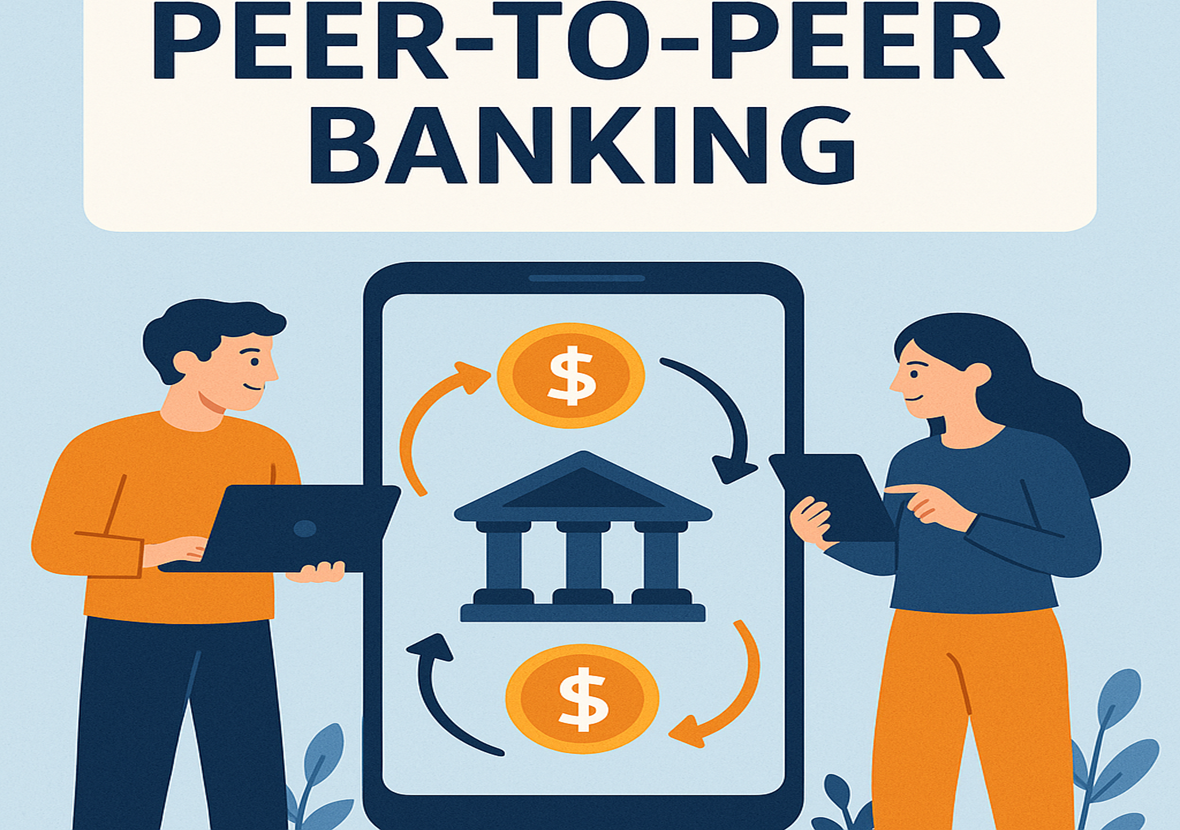
Peer-to-peer banking, also known as P2P lending or marketplace lending, has emerged as a disruptive force in global finance, connecting borrowers directly with individual lenders through digital platforms. This innovative approach bypasses traditional banking intermediaries, offering competitive rates and greater accessibility for both borrowers and lenders worldwide.
As digital transformation accelerates across financial services, P2P banking is gaining significant traction globally, with platforms serving millions of users and facilitating billions in transactions annually. This article explores the mechanics of P2P banking, its benefits, challenges, and the evolving regulatory landscape shaping its future growth.
Understanding Peer-to-Peer Banking
Peer-to-peer banking refers to online platforms that connect individual borrowers with individual lenders, eliminating the need for traditional financial institutions as intermediaries. These platforms use advanced algorithms and risk assessment tools to match borrowers with appropriate lenders based on credit profiles, loan amounts, and risk tolerance. The process is entirely digital, with loan applications, approvals, and fund transfers occurring online.
Unlike traditional banking where institutions assume all credit risk, P2P platforms facilitate the connection while often providing credit scoring, loan servicing, and default protection mechanisms. This model has democratized access to credit, allowing individuals and small businesses to borrow money that might not be available through conventional channels.
Types of P2P Banking Platforms
The P2P banking landscape offers several platform types, each designed to address different financing needs and user preferences. Understanding the differences between these options is crucial for selecting the most appropriate solution for your financial objectives. The right choice depends on factors such as risk tolerance, investment amount, and geographic preferences.
- Consumer Lending Platforms: Connect individual borrowers with lenders for personal loans, credit cards, and debt consolidation
- Business Lending Platforms: Focus on small business financing, equipment loans, and working capital
- Real Estate Platforms: Specialize in property development, investment loans, and real estate crowdfunding
- Student Loan Platforms: Provide refinancing options for education debt
- International Platforms: Enable cross-border lending and borrowing with currency exchange features
Choosing the right type of platform depends on your specific financial needs, whether you're borrowing or lending. It is advisable to compare multiple platforms and understand their risk profiles, return expectations, and regulatory compliance before participating.
Benefits of P2P Banking
P2P banking provides several advantages over traditional financial services. It often offers competitive interest rates for borrowers and attractive returns for lenders, with lower fees compared to conventional banking. The streamlined digital process enables faster approvals and funding, while the direct connection between parties can result in more personalized terms.
Beyond the direct financial benefits, P2P banking promotes financial inclusion by serving underserved markets and individuals who may not qualify for traditional loans. It also encourages financial education through transparent pricing and risk disclosures. Many successful borrowers and lenders have used P2P platforms as a stepping stone to better financial health.
- Higher Returns for Lenders: Potential returns of 5-10% compared to traditional savings accounts
- Lower Rates for Borrowers: Competitive rates through direct lender competition
- Faster Processing: Digital applications with quick approval and funding
- Greater Accessibility: Alternative credit scoring for previously underserved borrowers
- Transparent Pricing: Clear terms and conditions with no hidden fees
Risks and Considerations
While P2P banking offers compelling benefits, it also carries risks that participants must carefully consider. Default rates can vary based on economic conditions and platform underwriting standards, potentially impacting lender returns or borrower credit. Platform failures, though rare, can disrupt service availability and affect outstanding loans.
Regulatory changes and market volatility can also impact P2P banking operations. Participants should diversify their investments or borrowing across multiple platforms to mitigate risk. It is essential to conduct thorough research on platform reputation, historical performance, and regulatory compliance before engaging in P2P banking activities.
- Default Risk: Borrowers may fail to repay loans, affecting lender returns
- Platform Risk: Technical issues or business failures can disrupt operations
- Regulatory Risk: Changing laws can impact platform operations and returns
- Market Risk: Economic downturns can increase default rates
- Liquidity Risk: Difficulty accessing funds when needed
Getting Started with P2P Banking
Beginning with P2P banking requires careful preparation and research. Start by assessing your financial goals, risk tolerance, and available capital. Choose reputable platforms with strong regulatory compliance and transparent operations. Begin with small amounts to gain experience and gradually increase participation as you become more comfortable with the process.
Regular monitoring and portfolio adjustments are essential for successful P2P banking. Whether you're lending to earn returns or borrowing to fund goals, maintaining discipline and staying informed about market conditions will help maximize benefits while managing risks effectively.
Peer-to-peer banking represents a fundamental shift in how financial services are delivered, democratizing access to credit and investment opportunities worldwide. As the industry continues to mature and regulations evolve, P2P platforms are becoming an integral part of the global financial ecosystem, offering innovative solutions for both borrowers and lenders.
Disclaimer: This article is for informational purposes only and does not constitute financial advice. P2P lending involves risks, including the potential loss of principal. Consult with qualified financial professionals before participating in P2P platforms.









Comments 0
Login Required
Please sign in to view and post comments.