

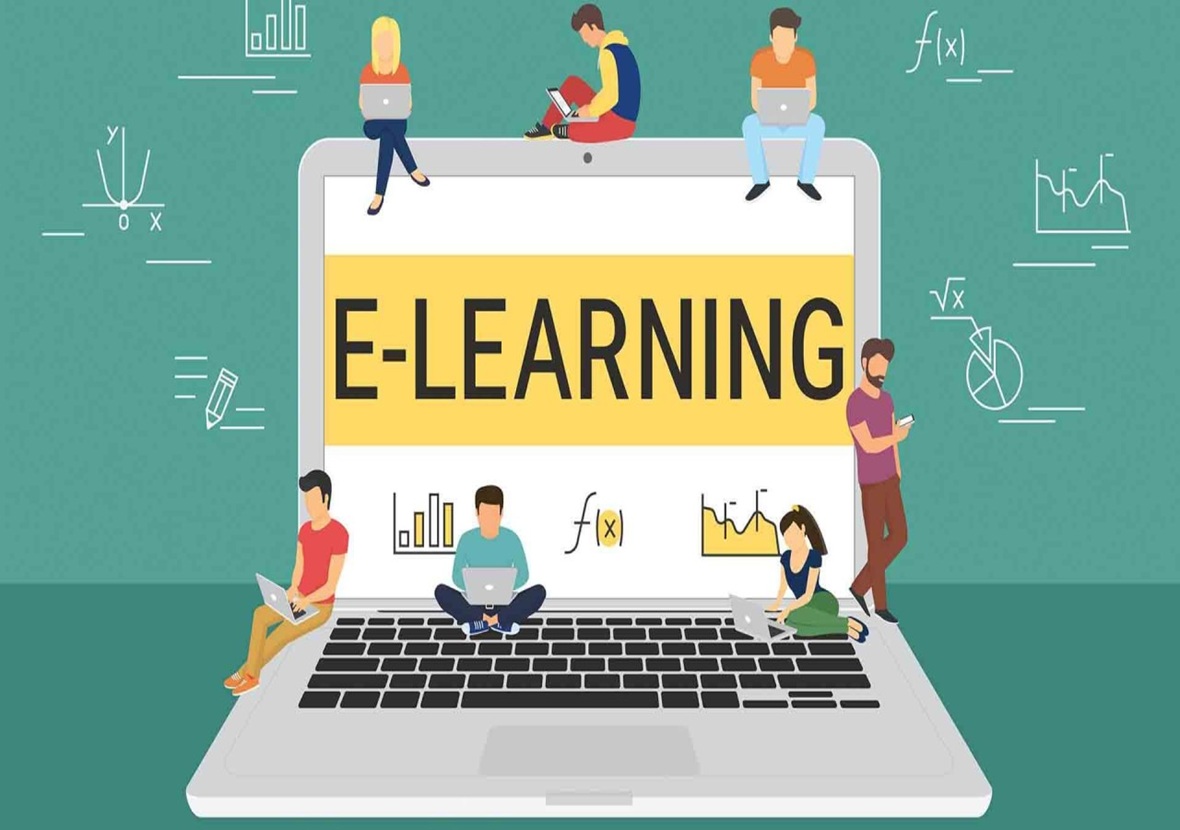
How to Create E Learning Content That Truly Educates
Creating truly educational e-learning content goes beyond simply digitizing existing materials—it requires a strategic approach focused on instructional design, learner engagement, and measurable educational outcomes. By leveraging proven pedagogical frameworks and modern digital tools, educators and content developers can craft online learning experiences that not only capture attention but also foster deep understanding and practical application of knowledge.
The foundation of effective e-learning lies in understanding how adults learn in digital environments, designing for diverse learning preferences, and implementing interactive elements that transform passive viewers into active participants who can apply what they've learned in real-world scenarios.
Understanding Effective E-Learning Content
Effective e-learning content represents digital educational materials specifically designed to engage learners, facilitate knowledge retention, and achieve predetermined learning objectives through carefully structured instructional experiences. This requires integrating sound pedagogical principles with technological capabilities to create meaningful online learning journeys.
The creation of effective e-learning begins with a comprehensive understanding of your target learners, including their prior knowledge, learning motivations, technological comfort levels, and preferred learning styles. This foundational insight ensures that content development focuses on relevance and accessibility from the very start.
- Learner-Centered Design: Content tailored to individual learner needs and preferences
- Evidence-Based Pedagogy: Instructional methods supported by educational research
- Technological Integration: Appropriate use of digital tools to enhance learning
- Measurable Outcomes: Clear assessment of learning achievements and impact
- Continuous Adaptation: Content that evolves based on learner feedback and performance data
Target Audience Analysis
Conduct comprehensive research into your learners' backgrounds, including their existing knowledge levels, professional goals, technological proficiency, and preferred learning modalities. This detailed profiling informs every aspect of content development and delivery strategy.
Effective audience analysis involves collecting data through surveys, interviews, pre-course assessments, and analytics from previous courses. Understanding your learners' demographics, motivations, and constraints allows you to create content that resonates deeply and addresses real learning needs.
Learning Style Accommodation
Design content that supports multiple learning styles simultaneously, incorporating visual, auditory, kinesthetic, and reading/writing elements to ensure accessibility for all learners. This multi-modal approach maximizes engagement and comprehension across diverse learner populations.
Implementing varied presentation methods ensures that learners can access information through their preferred channels while still benefiting from exposure to different learning approaches. For example, combining video lectures with interactive simulations and written resources provides multiple pathways to the same learning objectives.
Motivation and Engagement Factors
Identify what drives your learners—whether career advancement, personal growth, certification requirements, or intrinsic interest—and align your content with these motivational factors to maintain sustained engagement throughout the learning experience.
When learners can clearly see the connection between course content and their personal or professional aspirations, they remain more committed and motivated. Regularly reinforcing these connections through practical applications and success stories helps learners maintain focus and momentum.
Core Principles of Instructional Design
Apply established instructional design frameworks to create coherent, progressive learning experiences that build knowledge systematically from foundational concepts to advanced applications.
Frameworks like ADDIE, Bloom's Taxonomy, and Gagne's Nine Events provide proven structures for organizing content logically and ensuring that each learning activity serves a clear educational purpose. These models help create learning pathways that are both pedagogically sound and engaging.
Well-Defined Learning Objectives
Establish specific, measurable, achievable, relevant, and time-bound (SMART) learning objectives that clearly articulate what learners will be able to do upon completion of each module and the course as a whole.
Effective objectives use action-oriented verbs such as "analyze," "create," or "evaluate" and provide learners with a clear roadmap of expectations. Sharing these objectives upfront helps learners track their progress and understand the value of each learning activity.
Structured Content Sequencing
Organize content in a logical progression that builds complexity gradually, moving from basic concepts and skills to advanced applications and synthesis. Use clear navigation elements and progress indicators to guide learners through the material.
A well-sequenced course reduces cognitive load and confusion, allowing learners to focus their mental energy on mastering content rather than figuring out where to go next. This structure also supports spaced repetition and reinforcement of key concepts.
Information Chunking and Pacing
Break complex information into digestible segments that align with learners' cognitive processing capacity, typically limiting new concepts to 3-5 per learning session with opportunities for practice and reflection.
Research indicates that learners can effectively process only a limited amount of new information at once. By presenting content in focused chunks followed by interactive exercises or reflection activities, you improve retention and prevent the cognitive overload that leads to learner frustration.
Enhancing Learner Engagement
Maintain active learner involvement through diverse interactive elements, storytelling techniques, and collaborative opportunities that transform passive content consumption into active learning participation.
Engagement is the cornerstone of effective e-learning, directly impacting completion rates, knowledge retention, and the ability to apply learned concepts. By incorporating multiple engagement strategies, you create learning experiences that are both enjoyable and educationally powerful.
Multimedia and Interactive Elements
Incorporate rich multimedia content including videos, animations, simulations, and interactive diagrams that demonstrate complex concepts and maintain learner attention through varied presentation formats.
Interactive multimedia encourages exploration and deeper processing of information, moving learners beyond passive viewing to active engagement. Elements like clickable hotspots, drag-and-drop activities, and branching scenarios invite learners to interact with content in meaningful ways.
Real-World Application Scenarios
Integrate authentic case studies, problem-based scenarios, and role-playing exercises that allow learners to apply knowledge in contexts that mirror their professional or personal environments.
Scenario-based learning bridges the gap between theoretical knowledge and practical application, helping learners develop critical thinking and decision-making skills. These authentic contexts make learning more relevant and memorable while preparing learners for real-world challenges.
Gamification and Motivational Design
Implement game-like elements such as progress bars, achievement badges, leaderboards, and challenge-based activities to tap into learners' intrinsic motivation and create enjoyable learning experiences.
Gamification leverages psychological principles of motivation, including achievement, autonomy, and social connection. Even simple elements like unlocking new content after completing modules can significantly increase learner persistence and satisfaction.
Optimizing Content Presentation
Create visually appealing, accessible content that leverages design principles to enhance comprehension and reduce cognitive load while ensuring compatibility across devices and learning environments.
The presentation of e-learning content directly influences how effectively information is processed and retained. Thoughtful design choices in layout, typography, color, and media integration can make complex concepts more accessible and engaging.
Professional Visual Design
Apply consistent visual design principles including appropriate color schemes, readable typography, clean layouts, and purposeful use of white space to guide learner attention and enhance content comprehension.
Effective visual design follows principles of contrast, alignment, repetition, and proximity to create intuitive interfaces that support rather than distract from learning. High-quality visuals and diagrams can clarify abstract concepts that are difficult to convey through text alone.
Strategic Multimedia Integration
Combine text, images, audio, and video elements strategically to reinforce key messages and accommodate different learning preferences, ensuring that each media type serves a clear educational purpose.
Following multimedia learning principles such as placing related text near images and eliminating extraneous material maximizes comprehension. Each media element should complement rather than compete with others, creating a cohesive learning experience.
Cross-Device Compatibility
Design content that functions seamlessly across desktop computers, tablets, and smartphones, with responsive layouts, touch-friendly interfaces, and optimized performance for various screen sizes and connection speeds.
Mobile learning is increasingly prevalent, requiring content that adapts to smaller screens and touch interactions. Optimizing for mobile ensures accessibility for learners who prefer or need to study on the go, expanding your content's reach and effectiveness.
Assessment and Feedback Systems
Implement comprehensive assessment strategies that provide ongoing evaluation of learner understanding, immediate feedback for correction, and opportunities for practical application of acquired knowledge.
Effective assessment goes beyond testing—it serves as a powerful learning tool that reinforces understanding, identifies knowledge gaps, and guides learners toward mastery. Well-designed assessment systems create feedback loops that enhance the overall learning experience.
Continuous Formative Assessment
Incorporate frequent, low-stakes assessments throughout the course, including quizzes, polls, and interactive exercises that provide immediate feedback and allow learners to monitor their progress and understanding.
Formative assessments are most effective when integrated naturally into the learning flow rather than presented as separate testing events. Immediate feedback with explanations helps learners correct misconceptions and build confidence as they progress.
Applied Learning Activities
Design assignments and projects that require learners to apply concepts in authentic contexts, demonstrating practical mastery and creating artifacts that can be used professionally or personally.
Application-focused activities bridge the theory-practice gap by challenging learners to solve real problems or create tangible outputs. These activities often result in portfolio pieces or work samples that have lasting value beyond the course.
Reflective and Peer Evaluation
Encourage self-assessment and peer review activities that develop metacognitive skills and help learners understand their learning process while benefiting from diverse perspectives on their work.
Reflective practices and peer feedback cultivate critical thinking and evaluative judgment essential for lifelong learning. These activities also build community among learners and provide multiple viewpoints on complex topics.
Ensuring Accessibility and Inclusion
Prioritize universal accessibility from the design phase, ensuring that all learners can engage with content regardless of physical abilities, technological constraints, or cultural backgrounds.
Accessible design is not an add-on but a fundamental consideration that benefits all learners while complying with legal standards. Creating inclusive content expands your audience reach and demonstrates commitment to educational equity.
Universal Design for Learning
Implement UDL principles by providing multiple means of representation, engagement, and expression, allowing learners to access content through their preferred modalities and demonstrate understanding in ways that suit their strengths.
UDL ensures flexibility in how information is presented and how learners can interact with it, reducing barriers and increasing success rates. This approach accommodates diverse learning needs without requiring individual accommodations.
Multi-Format Content Delivery
Offer content in various formats including text transcripts, audio versions, video with captions, and interactive alternatives to ensure accessibility across different learning environments and technological capabilities.
Providing multiple format options accommodates learners in various situations, from those with visual impairments to those studying in low-bandwidth environments. This flexibility also supports different learning preferences and enhances overall accessibility.
Cultural Responsiveness and Diversity
Incorporate diverse perspectives, examples, and cultural contexts in content creation, avoiding biases that might exclude or alienate learners from different backgrounds and ensuring global relevance.
Culturally responsive content acknowledges and values diverse experiences while promoting inclusivity. This approach not only broadens appeal but also enriches learning by exposing participants to varied viewpoints and real-world applications.
Technology and Authoring Tools
Select and implement appropriate technological tools that streamline content creation, enhance interactivity, and support scalable delivery while aligning with your technical capabilities and learning objectives.
The right technology stack can dramatically improve both the efficiency of content development and the quality of the learning experience. Careful tool selection considers ease of use, cost, compatibility, and the specific features needed for your content.
Learning Management Platforms
Utilize robust LMS platforms like Moodle, Canvas, or Teachable to organize content, track learner progress, manage assessments, and facilitate communication within structured online learning environments.
A good LMS provides the infrastructure for delivering complex courses with features like discussion forums, grade books, and analytics. Choosing the right platform depends on your scale, technical requirements, and integration needs.
Interactive Content Authoring Tools
Leverage specialized authoring software such as Articulate Storyline, Adobe Captivate, or H5P to create sophisticated interactive elements, simulations, and assessments that would be difficult to build with basic tools.
These tools enable the creation of custom interactions, branching scenarios, and adaptive content that responds to learner choices. While they have learning curves, they significantly enhance the sophistication of e-learning experiences.
Multimedia Production Resources
Employ professional-grade tools for video recording, audio editing, graphic design, and screen capture to produce high-quality multimedia content that enhances rather than detracts from the learning experience.
Quality multimedia production demonstrates professionalism and can improve learner engagement. Tools range from free options like OBS Studio for screen recording to professional suites like Adobe Creative Cloud for comprehensive media production.
Evaluating and Improving Effectiveness
Establish systematic processes for measuring learning outcomes, gathering learner feedback, and using data-driven insights to continuously refine and enhance e-learning content over time.
Effective e-learning is an iterative process that requires ongoing evaluation and improvement. Regular assessment ensures that content remains relevant, engaging, and effective as learner needs and technological capabilities evolve.
Analytics and Performance Metrics
Track comprehensive metrics including completion rates, assessment scores, time spent on modules, engagement patterns, and learner feedback to identify strengths and areas needing improvement.
Data analytics provide objective insights into how learners interact with your content, revealing which elements are most effective and where learners struggle. This information guides targeted improvements to enhance overall course quality.
Learning Outcome Assessment
Measure whether learners achieve stated objectives and can transfer knowledge to new contexts through pre- and post-course evaluations, practical application assessments, and long-term follow-up surveys.
True learning effectiveness is demonstrated through the ability to apply knowledge in real-world situations. Comprehensive outcome assessment ensures that your content delivers meaningful, lasting educational value.
Iterative Content Refinement
Use feedback loops and performance data to systematically update content, improve engagement strategies, and address emerging learner needs through regular content reviews and updates.
Continuous improvement keeps content current and effective. This process involves analyzing feedback, testing changes, and implementing improvements that enhance the learning experience for future participants.
Addressing Common Implementation Challenges
Proactively identify and resolve typical obstacles in e-learning development, including engagement issues, technical limitations, and content maintenance requirements to ensure successful course delivery.
Understanding common challenges allows you to anticipate and mitigate potential problems before they impact learner experience. Effective planning for these issues ensures smoother implementation and higher success rates.
Sustaining Attention and Motivation
Combat the challenges of online attention spans by incorporating varied content types, frequent interaction opportunities, and clear progress indicators that maintain learner momentum throughout the course.
Online learners face numerous distractions, making sustained engagement a significant challenge. Strategic use of micro-interactions, varied pacing, and meaningful milestones helps maintain focus and motivation over extended learning periods.
Technical Reliability and Support
Design for technical stability across platforms while providing comprehensive support resources, clear instructions, and alternative access methods to ensure learners can complete courses regardless of technical issues.
Technical problems can derail learning experiences, so building redundancy and providing accessible support is crucial. This includes testing across devices, offering technical guides, and having backup communication channels for troubleshooting.
Content Currency and Updates
Establish systematic processes for reviewing and updating content to maintain accuracy, relevance, and alignment with current best practices and technological advancements in your field.
Knowledge evolves rapidly, requiring regular content updates to maintain educational value. A structured review process ensures that courses remain current and continue to meet learner needs over time.
Future Directions in E-Learning
Stay informed about emerging technologies and pedagogical innovations that promise to enhance e-learning effectiveness, from AI-driven personalization to immersive virtual environments.
The e-learning landscape continues to evolve rapidly, with new technologies offering unprecedented opportunities for creating more effective, engaging, and accessible learning experiences. Understanding these trends helps position your content for future relevance.
- AI-Powered Adaptive Learning: Content that dynamically adjusts to individual learner needs and progress
- Extended Reality Integration: VR and AR experiences for immersive, hands-on learning
- Micro-Credentials and Badging: Granular recognition of specific skills and competencies
- Social Learning Networks: Collaborative platforms that connect learners globally
- Voice and Gesture Interfaces: Natural interaction methods for more intuitive learning
Practical Steps to Begin Creating E-Learning Content
Start your e-learning content creation journey with a systematic approach that builds foundational skills and gradually incorporates more advanced techniques as you gain experience and confidence.
Beginning with manageable projects allows you to learn the process while creating valuable content. Focus on quality over quantity initially, and use each project as a learning opportunity to refine your approach.
- Define Clear Objectives: Identify specific learning goals and target audience characteristics
- Select Appropriate Tools: Choose technology platforms that match your skill level and project scope
- Create a Content Outline: Structure your material logically with clear learning progression
- Develop Pilot Content: Build and test a small module to validate your approach
- Gather Initial Feedback: Get input from potential learners to identify improvements
- Iterate and Scale: Refine based on feedback and expand to full course development
Disclaimer: The effectiveness of e-learning content depends on thoughtful instructional design, appropriate technology selection, and continuous evaluation. Consider professional development in educational technology and pedagogy for complex or large-scale projects.







Comments 0
Login Required
Please sign in to view and post comments.