



How IoT Is Transforming Risk Assessment in the Insurance Industry
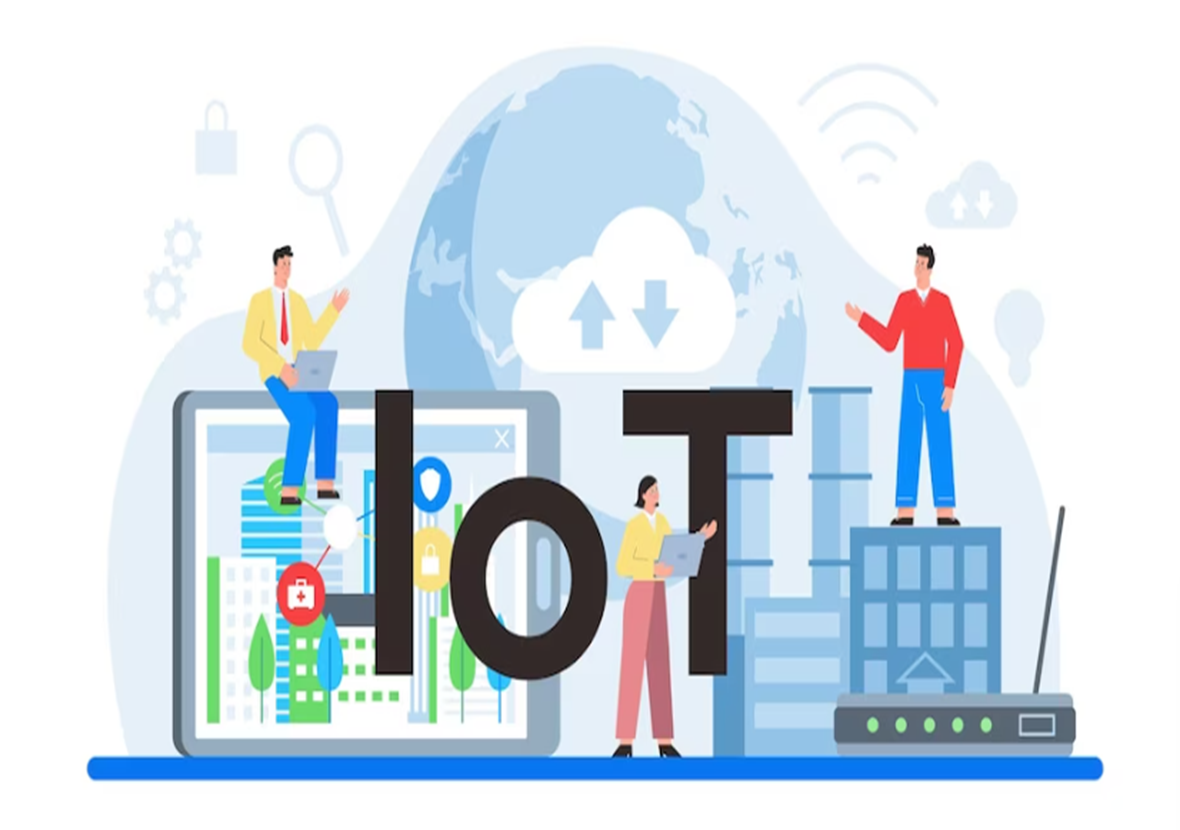
The Internet of Things (IoT) is revolutionizing the insurance industry by enabling real-time risk assessment, predictive analytics, and personalized pricing models. Connected devices provide continuous streams of data that transform traditional insurance practices.
Understanding how IoT transforms risk assessment helps insurers and policyholders appreciate the shift from reactive to proactive insurance models. This technological evolution offers more accurate pricing, better risk management, and enhanced customer experiences.
The Evolution from Static to Real-Time Risk Assessment
Traditional insurance risk assessment relied on historical data, demographic information, and occasional inspections. IoT devices change this paradigm by providing continuous, real-time data streams that offer unprecedented visibility into risk factors. This shift enables insurers to move from static snapshots to dynamic, ongoing risk evaluation.
The insurance industry is experiencing a fundamental transformation as connected devices generate granular, observable risk data. This evolution allows for more accurate pricing, proactive risk management, and personalized insurance products that reflect actual behavior rather than broad assumptions.
- Continuous monitoring: Real-time data collection from connected devices
- Predictive analytics: AI-driven risk prediction and prevention
- Behavioral insights: Actual usage patterns replace statistical assumptions
- Proactive intervention: Early warning systems prevent losses
- Personalized pricing: Risk-based premiums reflect individual behavior
IoT Applications Across Insurance Lines
IoT technology is transforming risk assessment across various insurance sectors, each benefiting from unique data streams and monitoring capabilities. The applications span automotive, property, health, and commercial insurance lines, each leveraging IoT data for more accurate risk evaluation.
These implementations demonstrate how connected devices provide insurers with detailed insights that were previously unavailable, enabling more precise risk assessment and pricing strategies.
Automotive Insurance and Telematics
Telematics devices in vehicles track driving behavior in real-time, including speed, braking patterns, mileage, and driving times. This data enables usage-based insurance (UBI) models where premiums reflect actual driving habits rather than demographic generalizations. Safe drivers can receive significant discounts, while high-risk behaviors result in appropriate premium adjustments.
The impact is substantial: insurers can reduce premiums by 30-50% for safe drivers, while claims processing becomes more efficient through automated risk scoring and fraud detection.
- Driving behavior: Speed, braking, and acceleration monitoring
- Mileage tracking: Actual usage replaces estimated annual mileage
- Risk scoring: Automated evaluation of driving patterns
- Usage-based pricing: Premiums reflect actual driving habits
- Safety incentives: Discounts for safe driving behaviors
Property and Home Insurance
Smart home sensors monitor environmental conditions, security systems, and potential hazards like water leaks, fires, or intrusions. IoT-enabled smoke detectors, flood sensors, and smart locks provide real-time alerts and risk assessment data. Homeowners with comprehensive smart systems can qualify for discounts and preventive services.
This technology enables insurers to offer risk-based pricing where well-protected homes receive lower premiums, while also providing early warning systems that prevent losses before they occur.
- Environmental monitoring: Temperature, humidity, and water detection
- Security systems: Intrusion detection and access control
- Hazard prevention: Early warning for fires and floods
- Risk mitigation: Smart devices reduce potential losses
- Preventive discounts: Lower premiums for protected properties
Health and Life Insurance
Wearable devices track vital signs, activity levels, sleep patterns, and health metrics. This data allows for more accurate risk profiling and personalized wellness programs. Health-conscious individuals can receive premium discounts, while insurers can identify health trends and offer preventive interventions.
The integration of health data enables insurers to provide wellness incentives and early intervention programs that improve outcomes and reduce long-term healthcare costs.
- Vital signs monitoring: Heart rate, blood pressure, and activity tracking
- Health metrics: Sleep patterns and wellness indicators
- Risk profiling: Accurate assessment of health conditions
- Wellness programs: Incentives for healthy lifestyle choices
- Preventive care: Early intervention and health trend analysis
The result is a shift from reactive health insurance to proactive wellness management, where policyholders are incentivized to maintain healthy lifestyles through data-driven rewards and personalized health insights.
Benefits of IoT-Driven Risk Assessment
IoT technology delivers multiple advantages that improve insurance operations and customer experiences.
Enhanced Pricing Accuracy
Real-time data eliminates reliance on broad demographic categories and historical assumptions. Instead, premiums reflect actual risk behaviors and conditions. This fairness benefits low-risk policyholders with lower rates while ensuring high-risk individuals pay appropriately for their coverage.
Proactive Risk Management
IoT enables preventive insurance models where risks are identified and mitigated before they result in claims. Smart sensors detect issues early, allowing for timely interventions that prevent accidents, property damage, or health incidents. This shift from reactive claims payment to proactive risk prevention reduces overall industry losses.
Improved Claims Processing
Connected devices provide objective evidence for claims validation, reducing fraud and streamlining processing. Real-time data timestamps incidents and provides detailed context, enabling faster and more accurate claims settlement. Policyholders benefit from reduced paperwork and quicker resolution times.
Fraud Detection and Prevention
IoT data patterns help identify suspicious claims by cross-referencing behavioral data with reported incidents. This technology reduces fraudulent claims and ensures premiums remain affordable for honest policyholders.
Challenges and Considerations
While IoT offers significant benefits, it also presents challenges that must be addressed for successful implementation.
Data Privacy and Security
The collection of personal data raises privacy concerns and regulatory compliance requirements. Insurers must implement robust data protection measures and obtain clear consent for data usage. Cyber security becomes critical as connected devices represent potential entry points for hackers.
Legacy System Integration
Many insurers struggle to integrate IoT data streams with existing legacy systems designed for batch processing rather than real-time analytics. This requires significant technology investments and system modernization.
Data Ownership and Ethics
Questions arise about who owns IoT-generated data and how it can be used. Clear policies and transparent practices are essential to maintain customer trust and comply with evolving regulations.
Digital Divide Concerns
IoT-based insurance may disadvantage those unable to afford or access connected devices. Insurers must balance technological innovation with equitable access to ensure all customers benefit from improved risk assessment.
The Future of IoT in Insurance
The IoT insurance market is growing rapidly, with projections estimating it will reach $76.73 billion by 2029. This growth reflects the industry's recognition of IoT's transformative potential.
AI and Machine Learning Integration
Combining IoT data with AI algorithms enables advanced predictive analytics and automated risk scoring. Machine learning can identify patterns and trends that humans might miss, leading to even more accurate risk models and personalized insurance products.
5G and Edge Computing
Faster 5G networks and edge computing will enable real-time data processing at the device level, reducing latency and improving response times for critical risk monitoring applications.
Blockchain for Data Security
Blockchain technology can enhance data security and transparency by providing immutable records of IoT data transactions and ensuring secure data sharing between stakeholders.
Customer Experience Improvements
IoT enables more interactive and personalized insurance experiences. Customers receive real-time feedback on their risk behaviors, personalized recommendations for risk reduction, and dynamic pricing that reflects their current risk profile. This transparency builds trust and encourages safer behaviors.
Usage-based models give customers greater control over their insurance costs, with the ability to reduce premiums through demonstrated safe practices and proactive risk management.
Conclusion
IoT is fundamentally transforming risk assessment in the insurance industry, shifting from historical data analysis to real-time, predictive models. This technological evolution enables more accurate pricing, proactive risk management, and enhanced customer experiences while presenting challenges that require careful navigation.
As IoT technology continues to advance and integrate with AI, blockchain, and other innovations, the insurance industry will become more efficient, fair, and customer-centric. Policyholders who embrace connected devices and share their data stand to benefit from personalized insurance products that reflect their actual risk profiles.
The future of insurance lies in this connected ecosystem, where technology enables insurers to prevent losses rather than merely pay for them.
Disclaimer: This article is for informational purposes only and does not constitute insurance or legal advice. Consult with licensed professionals for guidance specific to your situation.





Comments 0
Login Required
Please sign in to view and post comments.